



If you want to detect electricity theft, you need to act quickly the moment your electricity bill starts behaving strangely.
One month everything looks normal. The next month, your consumption doubles. You didn’t buy new appliances. You didn’t change your routine. Yet your bill keeps rising.
Before blaming tariffs or estimated billing, pause. In many shared compounds and apartment blocks in Nigeria, illegal electricity connections are more common than people admit.
The good news? You can detect electricity theft early, if you know what to look for.
How to Detect Electricity Theft Using Your Consumption History
Start with your numbers.
Review:
- Your previous electricity tokens or bills
- Your average monthly kWh usage
- Seasonal consumption patterns
If your electricity usage suddenly jumps by 30–50% without explanation, that is a warning sign.
Tracking your usage consistently helps you detect electricity theft before it becomes expensive.
If you use LightNG, your transaction history makes it easier to monitor changes month-to-month. (You can explore more electricity management tips on our blog here: https://lightng.com/blog)
The Main Breaker Test to Detect Electricity Theft
This is one of the simplest ways to detect electricity theft.
- Turn off every appliance in your home.
- Switch off your main breaker completely.
- Observe your electricity meter.
If the meter continues recording consumption, electricity is flowing somewhere it shouldn’t.
That usually means:
- A connection before your breaker
- A wiring crossover
- Or unauthorized tapping
At this stage, do not attempt repairs yourself.
For safety guidance on electrical hazards, you can also refer to international electrical safety standards like those provided by the International Electrotechnical Commission: https://www.iec.ch/homepage
Physical Signs That Help You Detect Electricity Theft
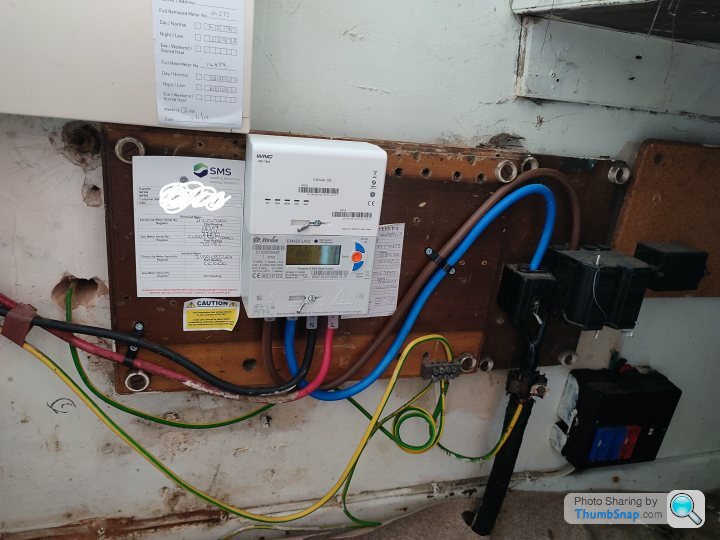
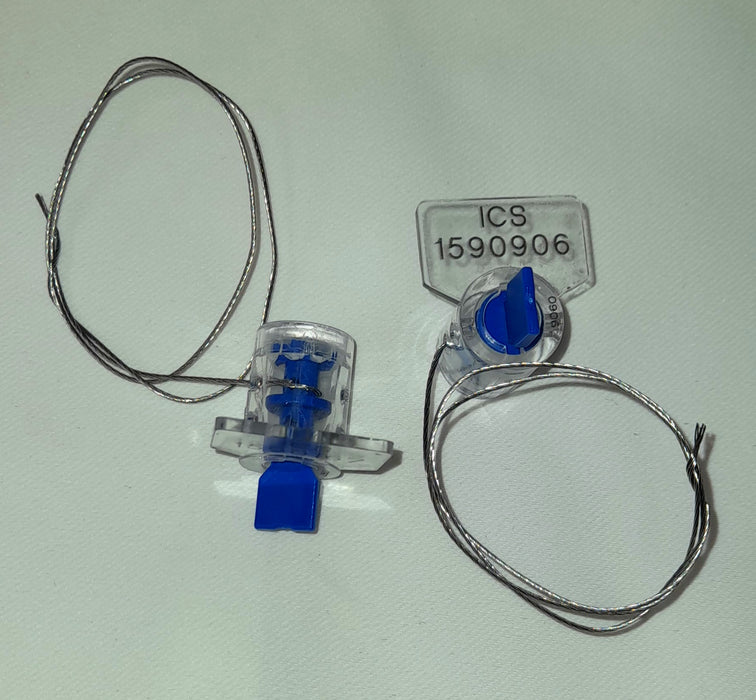

Electricity theft often leaves visible clues.
Look carefully for:
- Extra wires around your meter
- Fresh electrical tape
- Broken or missing meter seals
- Suspicious spliced connections
- Wires running toward another apartment
Illegal connections are rarely neat. If something looks unusual, document it and report it.
Compare Bills to Detect Electricity Theft in Shared Buildings
If you live in a compound, compare your consumption with neighbors who:
- Have similar apartment sizes
- Use similar appliances
- Have similar occupancy
If your bills are consistently higher without explanation, there may be:
- Crossed meter connections
- Shared wiring errors
- Or unauthorized tapping
These issues are more common than people realize.
Check for Shared Equipment Connected to Your Meter
Sometimes the issue is not direct theft.
Communal facilities may be connected to your line, including:
- Outdoor lighting
- Water pumps
- Security posts
- Gate motors
If shared infrastructure is connected to your meter, you may unknowingly be paying for everyone.
What to Do After You Detect Electricity Theft
Do not confront anyone.
Instead:
- Contact a licensed electrician
- Notify your electricity distribution company
- Request an official inspection
Electricity theft increases fire risk, damages appliances, and destabilizes voltage. It is both a financial and safety concern.
Why Monitoring Helps You Detect Electricity Theft Faster
At LightNG, we believe electricity payments should be simple and transparent.
When you can:
- Track your payment history
- Monitor your consumption trends
- Review transaction records easily
You can detect electricity theft much faster.
Our mission is to make electricity payments effortless and accessible for Nigerians, while empowering users with knowledge to take control of their energy usage.
Learn more about smarter electricity management.
Together, we can build a safer and more transparent power system.